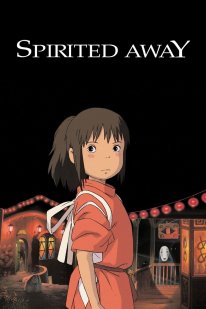
Anime — a unique language of animation and visual storytelling
Anime is not just Japanese animation, but an independent cultural phenomenon with its own artistic language, themes, and genre depth. Anime covers a wide range of directions: from philosophical science fiction and psychological drama to adventure, fantasy, and everyday stories.
In the serial format, anime reveals its full potential: long story arcs, character development, and attention to detail turn many projects into full-scale epics.
On Minatrix.TV, anime is presented as a structured catalog with reviews, ratings, curated selections, and official trailers, helping viewers navigate the genre and discover truly significant titles.
Why anime is a unique phenomenon in the world of series
Anime differs from Western animation not only in style, but also in its approach to content:
- orientation toward different age audiences, not just children;
- complex themes: identity, loneliness, technology, war, coming of age;
- visual metaphors and symbolism;
- freedom of genre experimentation.
This is why many anime series are perceived as author-driven works rather than simple entertainment.
Main genres and directions of anime
In the Minatrix.TV catalog, anime is structured by key directions:
- shonen and seinen
- fantasy and isekai
- science fiction and cyberpunk
- psychological and philosophical anime
- romance and drama
- thrillers and mystical series
- slice of life and atmospheric stories
This structure helps clarify the tone and depth a particular anime offers.
New anime series and modern trends
Contemporary anime continues to evolve rapidly:
- greater focus on psychological realism of characters;
- reinterpretation of classic genres and archetypes;
- growth in the number of original series not based on manga;
- blending animation with cinematic language.
New anime projects are increasingly aimed at mature audiences and complex themes.
Interesting and lesser-known facts about anime
- Many iconic anime series were created as authorial experiments rather than commercial projects.
- Anime terminology and imagery have long transcended Japan and influenced global pop culture.
- Some anime series have inspired ideas for Hollywood films and TV shows.
- Anime often uses visual techniques unavailable to live-action cinema.
- The serial format has allowed anime to explore themes of memory, time, and identity more deeply.
How to choose anime in the Minatrix.TV catalog
When choosing anime series, consider:
- Genre and direction — from action to philosophical narratives.
- Release year — newer series often reflect current themes.
- Viewer ratings — an indicator of audience engagement.
- Reviews — analysis of plot, characters, and visual style.
This helps you find anime that is engaging not only visually, but also conceptually.
Comparison of anime series types
| Anime Type | Main Focus | Who It’s For |
| Shonen |
Adventure and hero’s growth |
For dynamic viewing |
| Seinen |
Psychology and complex themes |
For adult audiences |
| Fantasy / Isekai |
World-building and escapism |
Fantasy enthusiasts |
| Sci-Fi / Cyberpunk |
Technology and the future |
Fans of ideas |
| Slice of Life |
Everyday life and atmosphere |
For a calm mood |
Anime on Minatrix.TV: catalog, reviews, and trailers
Minatrix.TV is a navigation hub for anime, featuring:
- reviews of new and classic anime series;
- thematic selections and genre overviews;
- official trailers and announcements;
- filtering by year, genre, and rating;
- an archive of projects that influenced the development of the anime industry.
We help you understand not only what an anime is about, but also what kind of experience it offers.
Frequently asked questions about anime
- What is anime and how does it differ from regular animation?
Anime is Japanese animation with its own visual style and narrative approach. Unlike traditional Western animation, anime targets multiple age groups and often addresses complex psychological, philosophical, and social themes.
- Which anime genres are the most popular?
The most common genres include adventure, fantasy, science fiction, drama, romance, thriller, and slice of life. Many anime series combine several genres at once.
- Is anime only suitable for teenagers?
No. There are many anime series aimed at adult audiences, including psychological, philosophical, and dramatic works. Age orientation depends on the genre and themes of each project.
- What is the difference between shonen and seinen?
Shonen focuses on action, hero growth, and adventure, while seinen more often explores complex themes, moral dilemmas, and character psychology, addressing a mature audience.
- Are there new anime series every year?
Yes. The anime industry is highly active, releasing dozens of new series each year across a wide range of genres — from large-scale fantasy to intimate dramas.
- Can you start watching anime without knowledge of Japanese culture?
Yes. Most anime is created to be accessible to an international audience, though familiarity with cultural context can enhance the experience.
- How do you choose anime by mood?
Focus on genre and subgenre: fantasy and isekai work well for escapism, drama and psychological stories for thoughtful viewing, and slice of life for a calm, relaxing mood.
- Where can you find anime by genre and theme?
In the Minatrix.TV catalog, anime is grouped by genre, release year, and rating, and is supplemented with reviews, curated selections, and official trailers for preview.
Why the Minatrix.TV anime catalog is useful
Anime is a multi-layered and diverse medium. Without structure, it easily turns into a chaotic list of titles.
Minatrix.TV systematizes anime series, making it easier to find projects with strong storytelling, expressive style, and memorable ideas.
Here, anime is not a trend, but a form of art and a way of telling stories.
 HDKP 6.8