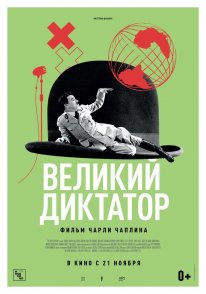
Movie The Great Dictator (1940)
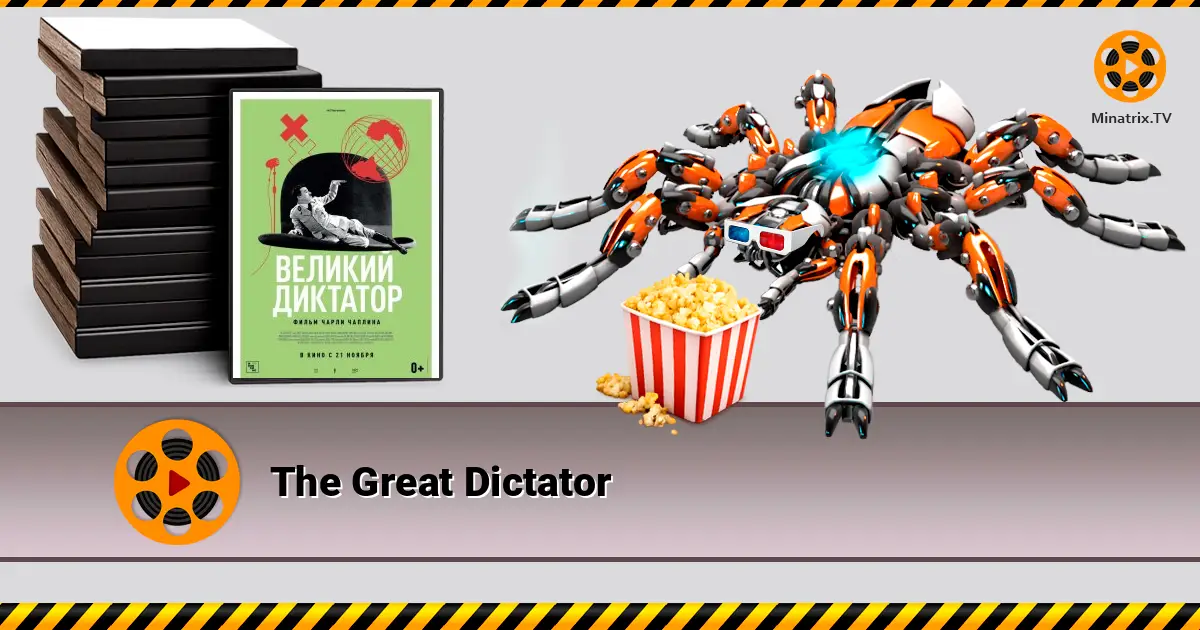
"The Great Dictator" (1940) is an iconic comedy by Charles Chaplin. His first sound film, it's a bold satire on dictatorship.
About the movie The Great Dictator
"The Great Dictator" (1940) is not just a comedy; it's a historical and cinematic landmark. Created and starring the brilliant Charles Chaplin, this film marked his transition into the world of sound cinema, becoming the legendary author's first fully "talking" work. Amidst global turmoil, when reality surpassed the wildest fantasies, Chaplin dared to challenge rising fascism, using his unique comedic gift as a powerful weapon of satire. This bold statement, made at a critical moment in history, still resonates with its relevance and insight.
Plot (spoiler-free)
At the heart of the narrative are two diametrically opposite yet outwardly identical figures, both brilliantly embodied by Charles Chaplin. On one side is the ruthless fascist dictator Adenoid Hynkel, whose appearance unmistakably alludes to a notorious real-life figure. On the other is a humble and harmless Jewish barber, suffering from Hynkel's regime of repression and strikingly similar to him. The fate of these two characters, their parallel worlds, and their inevitable collision form the dramatic core of the film. This central intrigue, based on accidental resemblance, becomes a catalyst for a profound exploration of themes of power, oppression, and humanity.
Why it's worth watching
- Outstanding Dual Performance by Charles Chaplin: He masterfully switches between Hynkel's grotesque tyranny and the barber's vulnerable kindness, demonstrating phenomenal acting versatility and proving that his genius extends far beyond silent cinema.
- Historical Significance and Innovation: As Chaplin's first fully sound film, "The Great Dictator" became a major milestone in his career and in the history of cinema. Witnessing how an artist adapts his recognizable style to a new medium while maintaining sharpness and emotional depth is an invaluable experience.
- Uncompromising Political Satire: In 1940, when many countries had not yet fully grasped the scale of the threat, Chaplin boldly ridiculed dictatorship, prejudice, and militarism. The film serves as a prime example of how art can be a powerful tool for resistance and enlightenment.
- Masterful Direction and Profound Message: Chaplin not only played the main roles but also directed, creating a work that combines sharp humor, a captivating plot, and a strong humanistic message. Alongside actors such as Paulette Goddard, Henry Daniell, Reginald Gardiner, Billy Gilbert, Jack Oakie, Grace Hayle, Emma Dunn, Carter DeHaven, and Maurice Moscovitch, he created an unforgettable ensemble.
Themes
"The Great Dictator" profoundly explores the abuse of power and the destructive nature of totalitarian regimes, contrasting them with human kindness and resistance. The film addresses issues of identity, prejudice, and xenophobia, showing how easily society can be deceived and divided. It also vividly expresses the theme of hope and freedom, emphasizing that even in the darkest times, the voice of reason and humanity can cut through the gloom.
Verdict
"The Great Dictator" is more than just a comedy; it is a prophetic and powerful work of art that has not lost its relevance decades later. It is a must-see film for anyone who appreciates sharp wit, bold satire, and the enduring strength of the human spirit, embodied by one of history's greatest filmmakers. It makes you laugh, ponder, and once again realize the importance of fighting for freedom and justice.
Player / Trailer
Leave a comment