 HDKP 7.7
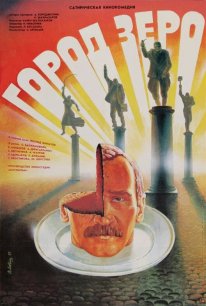
City Zero (1988)
"Gorod Zero" (City Zero) from 1988 is an absurd comedy by Karen Shakhnazarov. Engineer Varakin finds himself caught in a whirlwind of strange events.
0
0
572
HDKP 7.7
"Gorod Zero" (City Zero) from 1988 is an absurd comedy by Karen Shakhnazarov. Engineer Varakin finds himself caught in a whirlwind of strange events.
Detective cinema is one of the most intellectually demanding and layered film genres, built around investigation, the analysis of facts, and the pursuit of truth. At the heart of every detective story lies a mystery, a crime, or an enigma whose resolution requires logic, observation, and a deep understanding of human nature.
The detective genre extends far beyond the classic formula of “crime — investigation — solution.” It encompasses a wide range of stylistic and thematic approaches — from rigorous logical puzzles to dark psychological dramas.
Classic Detective
Films with a clear investigative structure, where the viewer gathers clues alongside the protagonist and builds a logical chain toward the final revelation. The emphasis is on intellect, detail, and the moment of exposure.
Noir and Neo-Noir
Dark, visually striking stories centered on crime, corruption, and moral ambiguity. The protagonist is often flawed, and the truth revealed is unsettling or destructive.
Police Procedurals
Films focused on the mechanics of investigation: interrogations, forensic work, institutional pressure, and the internal struggles of those within the system. Procedural realism and psychological tension play a key role.
Psychological Detectives and Thrillers
Stories in which the investigation becomes a means of exploring the human mind, motives, and trauma. Here, the mystery often revolves not around “who did it,” but “why.”
Modern and Hybrid Forms
Detective films that blend the genre with drama, thriller elements, social commentary, or satire. These works reinterpret genre conventions and push the boundaries of what detective cinema can be.
Detective films are instantly recognizable by their visual language.
Classic noir is defined by shadows, high-contrast lighting, rain-soaked streets, and cigarette smoke.
Modern detective cinema often favors cold color grading, minimalism, and restrained camerawork, emphasizing alienation and unease.
The genre’s evolution is evident in cinematography, editing, and narrative rhythm — shifting from measured analysis to sustained psychological pressure.
This genre page brings together detective films from different eras and stylistic traditions, allowing viewers not just to choose a film, but to compare approaches to investigation and storytelling.
The catalog includes:
This format helps viewers navigate a complex genre and make informed choices — based on mood, style, and narrative depth.
Detective cinema remains relevant because it addresses the essential human need to search for truth.
It is a genre about logic and intuition, about human weakness and secrets that cannot remain hidden forever. In a great detective film, the answer matters — but the journey toward it matters even more.