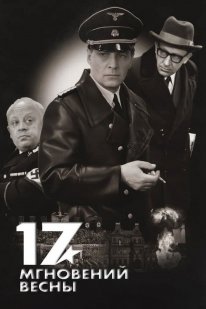
Serie Seventeen Moments of Spring (1973)
A Soviet spy is tasked with disrupting the negotiations between Karl Wolff and Allen Dulles taking place in Switzerland, aimed at forging a separate peace between Germany and the Western Allies.
About the series Seventeen Moments of Spring
Seventeen Moments of Spring (1973) is a landmark Soviet multi-part television series directed by Tatyana Lioznova, widely regarded as one of the most influential screen works about intelligence and World War II in television history. The series fundamentally reshaped the spy genre by shifting the focus away from action and spectacle toward psychology, tension, and intellectual confrontation.
Plot and Concept
The story unfolds during the final months of World War II. Soviet intelligence officer Maxim Maximovich Isaev, operating under the identity of SS Standartenführer Max Otto von Stierlitz, is tasked with disrupting secret negotiations between representatives of Nazi Germany and the Western Allies.
At the heart of the narrative are not chases or shootouts, but the subtle craft of espionage: behavioral analysis, pauses in dialogue, glances, unspoken meanings, and the constant, lethal risk of exposure.
Critical Assessment
The series is unique in its pacing and style. It is built around a slow, almost documentary rhythm, where tension arises not from events but from anticipation.
Stierlitz is an unconventional screen spy. He is neither glamorized nor outwardly heroic; his strength lies in self-control, disciplined thinking, and the ability to dissolve seamlessly into the enemy system.
A crucial role is played by the internal monologue and voice-over narration, which transform the series into a philosophical meditation on duty, loneliness, and the cost of intelligence work.
Historical and Cultural Context
Seventeen Moments of Spring is based on the novel by Yulian Semyonov and was created with reference to real historical figures and documents, albeit in an artistically reinterpreted form.
The series established a lasting cultural code: its quotes, intonations, and the image of Stierlitz became part of popular consciousness and gave rise to an entire layer of folklore.
Music and Atmosphere
The music for the series was composed by Mikael Tariverdiev. The restrained and minimalist musical theme underscores the melancholy, solitude, and tragic undertones of the story.
Music is used extremely sparingly, amplifying the emotional impact of pauses and silence. This musical restraint is one of the key elements behind the series’ unique atmosphere.
Themes and Subtext
- the loneliness of an intelligence officer behind enemy lines;
- moral choice and responsibility;
- the price of victory and human exhaustion from war;
- the confrontation of intellect rather than brute force.
Editorial Conclusion
Seventeen Moments of Spring is not merely a spy series, but a philosophical statement about war and the individual within history.
It remains relevant thanks to its depth, psychological precision, and a rare respect for the viewer’s intellect within the television format. It is a work that demands attention—and rewards it with thoughtful, multilayered storytelling.
Player / Trailer
Leave a comment