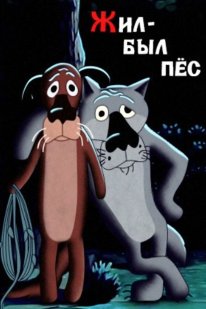
Cartoon Once Upon a Time, There Lived a Dog (1982)
Based on the Ukrainian folktale, the old dog of a village family is not as keen as he once was, and is sent away after he fails to guard their house during a robbery. In the woods, he meets the wol...
About the cartoon Once Upon a Time, There Lived a Dog
“Once Upon a Dog” (1982) is a cult Soviet animated short film directed by Eduard Nazarov, regarded as one of the warmest and most recognizable parables in the history of Soviet animation. Told with humor and folk wisdom, the story nevertheless touches on profound themes of friendship, aging, gratitude, and human dignity.
Plot and Concept
An old Dog, who has faithfully served his owners for many years, is cast out when he loses his former strength and usefulness. Left alone, he encounters his longtime enemy — the Wolf.
This unexpected alliance becomes the foundation of the story: the Wolf helps the Dog regain the trust of people, and the Dog, in turn, repays kindness with kindness. The narrative unfolds as a folk parable, where former roles — enemy and protector — lose their meaning in the face of simple, genuine feelings.
Critical Assessment
The strength of the film lies in its simplicity and precision. There are no unnecessary words or complex plot constructions here: every gesture, intonation, and pause carries meaning.
The characters are deliberately minimalist yet remarkably alive. The Wolf is not a villain, but a weary, ironic observer of life; the Dog embodies loyalty and honesty that do not fade with age.
The humor is gentle and deeply human, and the film’s famous lines became part of popular culture precisely because every joke conceals a deeper truth about life.
Themes and Subtext
-
loyalty and gratitude;
-
aging and the loss of usefulness;
-
friendship arising despite past conflicts;
-
compassion and mutual support;
-
folk philosophy of life.
Visual Style and Atmosphere
The animation is stylized after Ukrainian folk art: simple forms, expressive silhouettes, and textured backgrounds. This visual approach enhances the feeling of a story told “by the campfire.”
The musical score and vocal performances create an atmosphere of gentle irony and quiet melancholy, without which the story would lose its depth.
Cultural Significance
“Once Upon a Dog” has long transcended the boundaries of a children’s cartoon. It is quoted, revisited, and perceived as a wise story for adults that reflects the life experience of several generations.
It is a rare example of animation in which national flavor does not limit the story, but instead makes it universal.
Editorial Conclusion
“Once Upon a Dog” is a film about kindness and dignity that do not age.
It reminds us that a person’s value is not measured by usefulness, and that true friendship can arise where it is least expected. The short format works perfectly here, transforming a simple fairy tale into a genuine parable of life.
Player / Trailer
Leave a comment